
3mm clear float glass
Understanding the 8 Inch Globe Valve A Comprehensive Overview In the world of fluid control systems, valves play a pivotal role in regulating the flow of liquids and gases. Among the various types of valves, the globe valve is widely recognized for its effectiveness in controlling flow. In this article, we’ll explore the 8-inch globe valve in detail, examining its design, functionality, applications, and advantages. What is a Globe Valve? A globe valve is a type of valve used to regulate fluid flow in pipelines. It features a spherical body with an internal baffle that allows for smooth passage of the flow. The critical property of a globe valve is its ability to control the flow rate by adjusting the position of the disc within the valve body. This design makes it suitable for applications requiring precise control of fluid flow. Features of the 8-Inch Globe Valve The designation “8-inch” refers to the valve's nominal size, which denotes the diameter of the valve's passageway. An 8-inch globe valve has a bore opening of approximately 8 inches, making it suitable for medium to large-scale applications. The body of the valve is typically made from materials such as stainless steel, carbon steel, or bronze, providing durability and corrosion resistance. Design and Functionality The design of an 8-inch globe valve consists of several key components the body, bonnet, disc, stem, and seat. The internal structure houses the flow control mechanism, while the external components provide ease of operation and maintenance. 1. Disc and Seat The disc is responsible for blocking or allowing flow through the valve. When the disc is lifted away from the seat, fluid can flow freely through the valve. Conversely, lowering the disc onto the seat restricts flow. The ability to adjust the disc's position allows for greater control over the fluid flow rate. 2. Bonnet The bonnet is the component that covers the valve body and houses the stem and disc. It provides access for maintenance and facilitates the mechanism for adjusting the flow. 3. Stem The stem connects the disc to the actuator, allowing for movement and adjustment. It can be operated manually or with an actuator for automated systems. 4. Flow Direction Globe valves can be oriented in various ways to suit specific pipeline configurations. The flow direction is generally from the bottom to the top, which promotes efficient flow through the valve. 8 inch globe valve Applications of the 8-Inch Globe Valve The 8-inch globe valve is commonly used in various industries due to its versatility and reliability. Typical applications include - Water Treatment Plants These valves control the flow of water and chemicals during purification processes. - Oil and Gas Industry Globe valves regulate the flow of hydrocarbons and gases in pipelines and processing plants. - Power Generation Used in steam systems to manage feedwater and steam flow. - HVAC Systems Globe valves help maintain temperature and flow in heating, ventilation, and air-conditioning systems. Advantages of Using an 8-Inch Globe Valve Several advantages make globe valves an ideal choice for numerous applications 1. Flow Control The design of globe valves allows for excellent flow control and throttling capabilities, crucial in systems requiring precise regulation. 2. Durability Constructed from robust materials, 8-inch globe valves withstand pressure and temperature fluctuations, ensuring longevity and reliability. 3. Versatility They can handle a wide range of fluids, including corrosive and viscous substances, making them suitable for diverse applications. 4. Space-Efficient Design Despite their size, globe valves can be compactly integrated into existing systems, optimizing space without compromising performance. 5. Low Noise Operation When correctly sized and applied, globe valves typically produce less noise during operation compared to other valve types. Conclusion The 8-inch globe valve is an essential component in various fluid control systems, offering remarkable control, durability, and versatility. As industries continue to evolve and require more sophisticated solutions for fluid management, the relevance of the globe valve, particularly the 8-inch version, is likely to remain significant. Understanding the characteristics and applications of this valve empowers engineers and maintenance professionals to make informed decisions, ensuring efficient and reliable operation in their systems.
about
3mm clear float glass
The Importance of Surface Plates Precision Tools in Manufacturing and Engineering In the realm of manufacturing and engineering, precision is paramount. One of the key tools that ensure accuracy and reliability in measurement is the surface plate. A surface plate is a flat, stable, and rigid platform used in various applications, including inspection, tooling, and assembly. The role of a surface plate in the manufacturing environment cannot be overstated, as it serves as the foundation upon which measurements are made and components are aligned. Types of Surface Plates Surface plates come in various materials, each suited for specific applications. The most common materials include granite, cast iron, and stainless steel. Granite surface plates are widely favored due to their durability, resistance to wear, and excellent stability. They are less susceptible to thermal expansion, making them ideal for precision measurements. Cast iron plates, known for their strength and rigidity, are often used in environments where heavy machinery is involved. Meanwhile, stainless steel plates are resistant to corrosion, making them suitable for applications in chemically aggressive environments. Applications of Surface Plates Surface plates are crucial in several applications. In inspection and quality control, they provide a flat reference surface against which measurements can be taken. For instance, when measuring the dimensions of a machined part, placing the component on a surface plate allows for accurate readings using calipers, micrometers, or height gauges. This is essential for maintaining the required tolerances in production, ensuring that parts fit together correctly in assemblies. Moreover, surface plates are instrumental in gauge setting and fixture creation. They allow engineers and technicians to set up accurate jigs and fixtures for repetitive machining processes. By providing a flat reference, surface plates help ensure that parts are consistently oriented, reducing errors and increasing efficiency in manufacturing operations. surface plate used for Maintaining Surface Plates To fully utilize the advantages of surface plates, proper maintenance is crucial. Regular cleaning is essential to prevent the accumulation of dirt, oils, and debris, which can affect measurement accuracy. It is also important to ensure that the plates are kept free from damage such as chips or scratches, as these imperfections can compromise their flatness. Proper storage and handling are vital; surface plates should be stored in a clean environment, ideally in a dedicated space free from vibration and heavy foot traffic. Advancements in Surface Plates With advancements in technology, surface plates have seen improvements in design and functionality. Digital measuring systems and coordinate measuring machines (CMMs) are increasingly being integrated with traditional surface plates, allowing for more sophisticated inspection techniques. These modern systems enhance the capabilities of surface plates, making them not only a reference point but also an integral part of automated measurement processes. Conclusion In summary, surface plates are essential tools that support precision and accuracy in manufacturing and engineering. Their role in inspection, tooling, and assembly processes cannot be underestimated. As materials and technologies evolve, the effectiveness and applications of surface plates will continue to expand. Manufacturers and engineers who understand the importance of these fundamental tools are better equipped to produce high-quality products that meet strict standards of excellence. Whether in a small workshop or a large production facility, the significance of the surface plate as a reliable platform for precision work remains steadfast in the pursuit of quality and accuracy.
-

High quality industrial productsagement

High quality industrial products
View Details -

Meet the diverse needs of customers

Meet the diverse needs of customers
View Details -

Strict quality control

Strict quality control
View Details -

Top raw materials

Top raw materials
View Details -

Trusted supplier

Trusted supplier
View Details
Our application



news and information

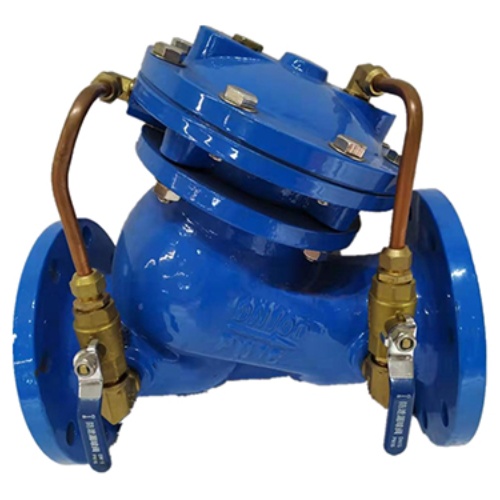
Vanne de porte d'étanchéité douce électrique
Les vannes à guillotine de 14 pouces une solution robuste pour les systèmes complexes Lorsqu'il s'a
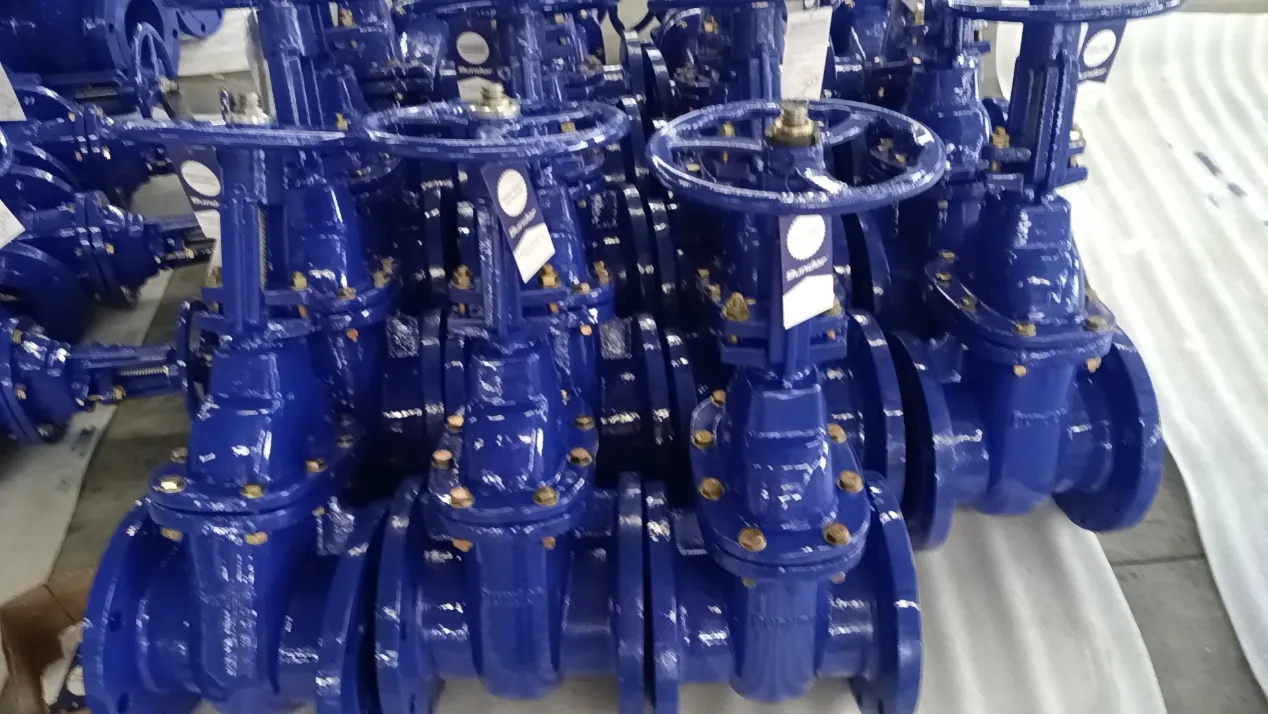
Water Flow Control Device for Efficient Shut-Off and Regulation
Understanding Water Shut-off Valves A Comprehensive Guide Water shut-off valves are essential compon
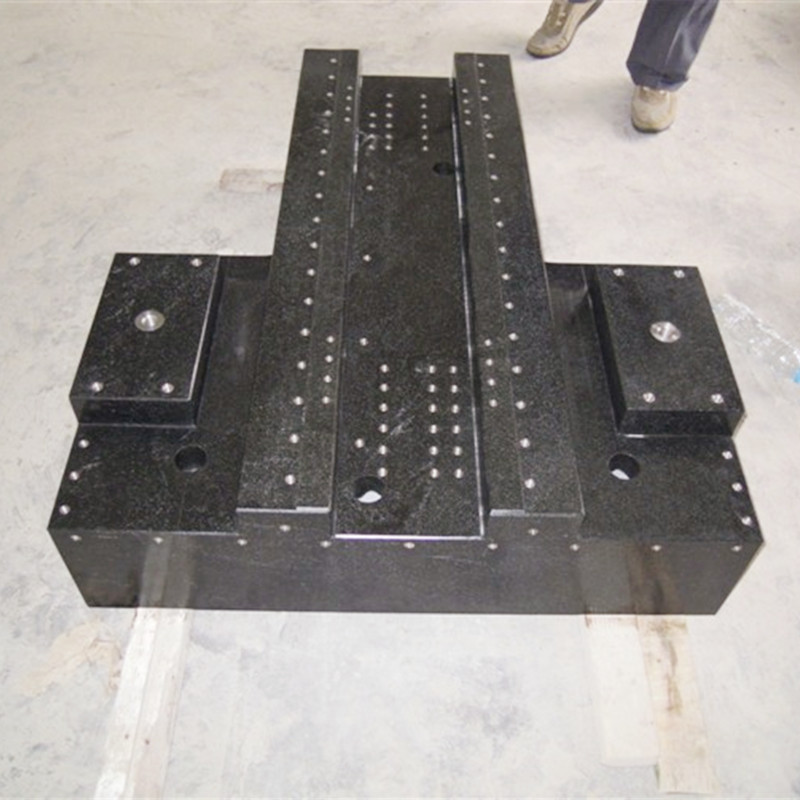
Valve's Influence in the Chinese Market and Its Future Prospects
The Influence of Valve China on the Global Valve Industry In recent years, China has emerged as a ce
 English